Disease Education Resources
Obesity
Explore our library of Lilly-created medical education resources. Please note: These resources do not offer CME/CE credit.
Obesity
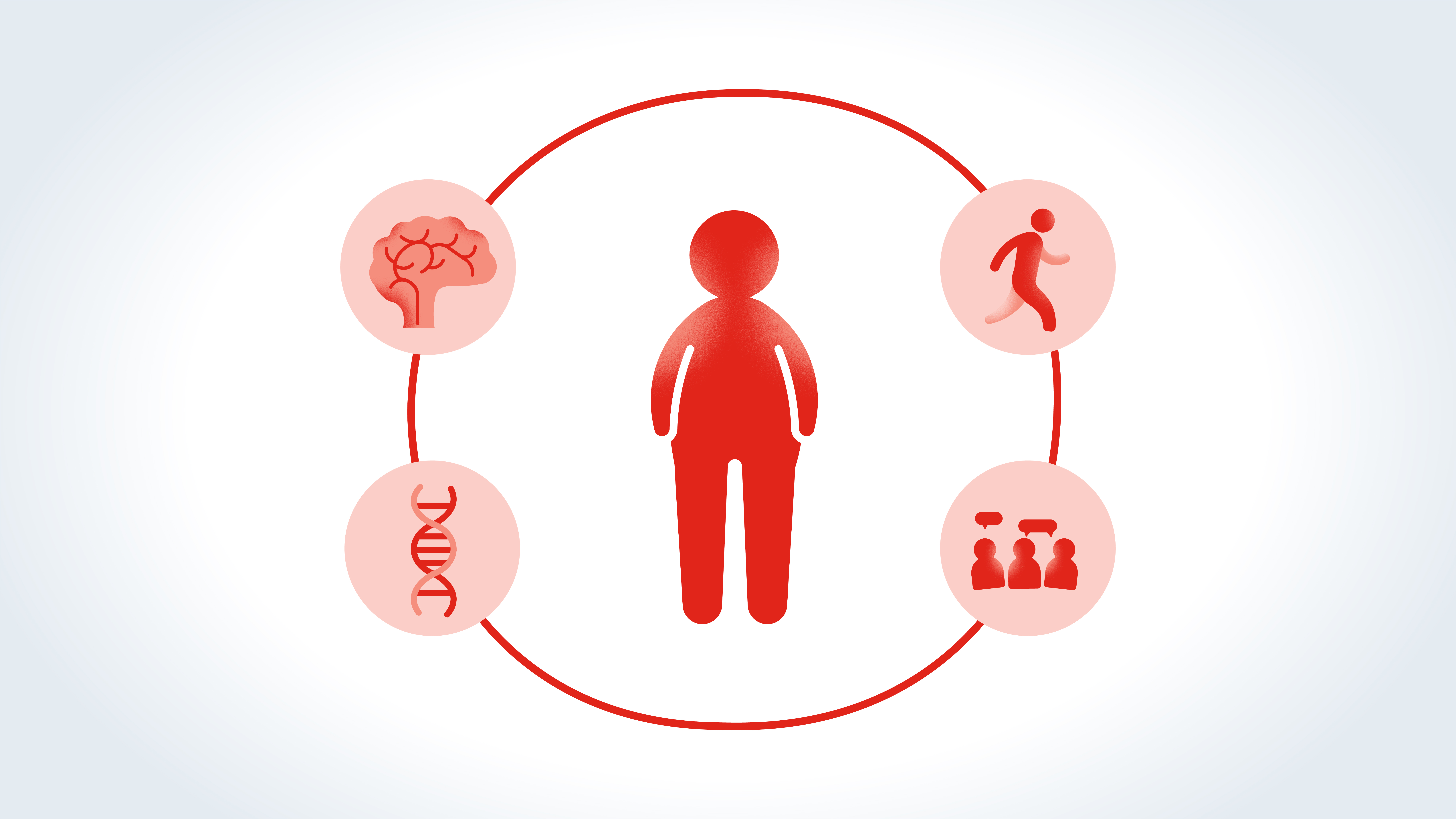
Comprehensive Obesity Care
Resource for healthcare professionals to understand the obesity diagnosis, contributing factors, and comprehensive care for patients with obesity.

Conversations in Obesity Care
Explore these helpful communication tools, tips, and best practices for conversations in obesity care.
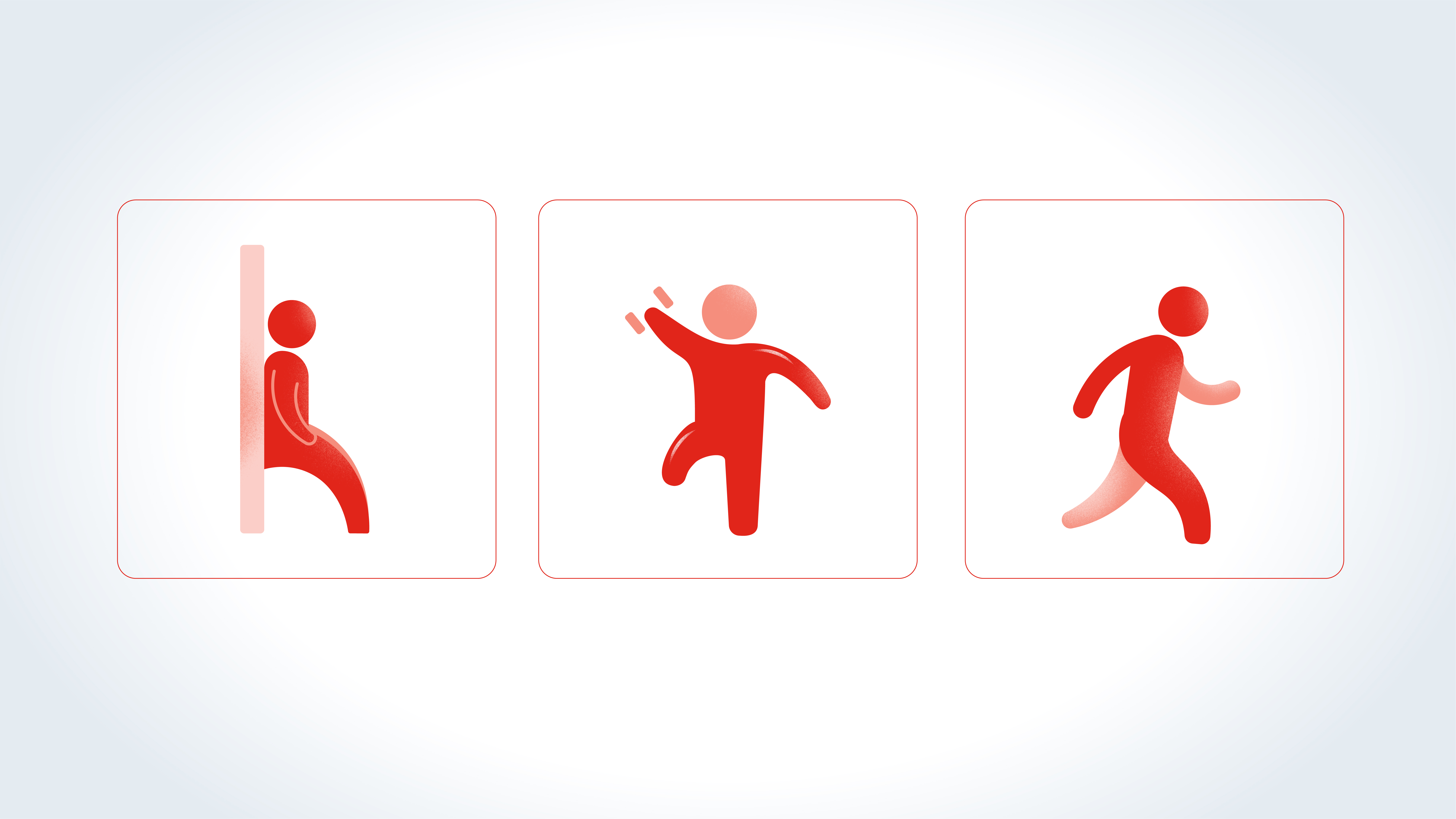
Guiding Physical Activity in Obesity Care
Build skills in physical activity counseling with evidence-based techniques designed for real-world clinical practice.
Nutrition Conversations that Count for Adults with Obesity
Bite-sized nutrition insights for better conversations with your adult patients taking obesity medications.
Nutritional Considerations with Obesity Management Medications
Gain a clearer understanding of how appetitie changes, nutrient requirements, and gastrointestinal side effects need to be considered within a comprehensive treatment plan when using obesity management medications.
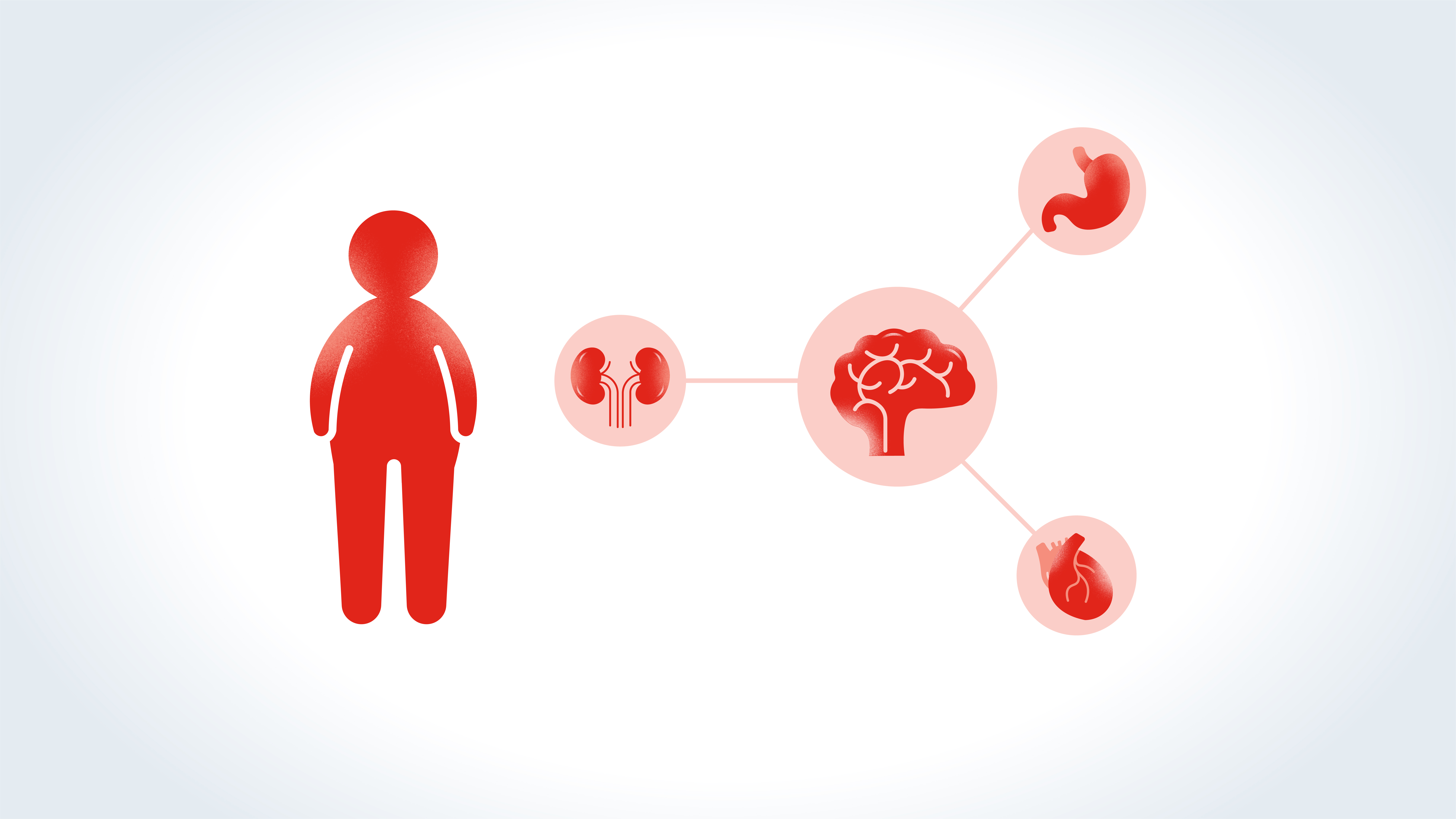
Obesity Is a Disease
Resource for healthcare professionals to better understand the pathophysiology of obesity, along with the usual challenges encountered by clinicians and patients, during the management of disease.

Supportive Obesity Care
This website is dedicated to equipping healthcare professionals with the knowledge and tools to provide more respectful, supportive and compassionate care to patients of all body sizes. In addressing weight stigma, it supports strategies to reduce bias and optimize patient care.
Learn the common barriers to adherence and persistence in obesity management and how to improve outcomes through practical, patient-centered strategies that support long-term treatment success.
A tip sheet for HCPs that highlights information on obesity and its association with multisystem complications, measuring and diagnosing obesity, and using the 5 As model to discuss obesity with patients.
Discover practical tips to help you effectively communicate with patients about maintaining a healthy lifestyle.
A quick reference guide for HCPs on coding for obesity-related conditions in clinical practice
A guide for clinicians to have empathetic and respectful conversations with patients dealing with obesity, set realistic goals, and offer valuable resources.
Explore a visual overview of the phases of weight loss and the nutritional, behavioral, and pharmacological strategies that support long-term weight maintenance in clinical practice.
Review the evidence on weight‑loss phases, the physiology driving weight regain, and practical strategies to help your patients sustain results long‑term
A practical guide on obesity management in the outpatient setting.
Obesity is a chronic, progressive, relapsing, and treatable multi-factorial, neurobehavioral disease
A tipsheet for healthcare professionals to use as a resource when providing nutritional recommendations to patients receiving obesity management medications.
An educational resource that aims to provide healthcare professionals with the knowledge and tools to effectively manage obesity and assist patients in achieving and maintaining a healthier weight.
Understanding individual motivations and goals through empathy and trust is central to effective lifestyle counseling.
This infographic explains why it is essential to understand and assess body composition before, during, and after weight reduction. Studies have shown that weight reduction interventions can result in a reduction of both fat mass and fat-free mass.
This resource summarizes how obesity‑related mechanical changes contribute to GERD, osteoarthritis, and OSA, and reviews evidence showing that even modest weight loss can lead to clinically meaningful improvements.
Patient Education Resources
Explore our library of patient based education materials to aid in HCP to patient interactions.